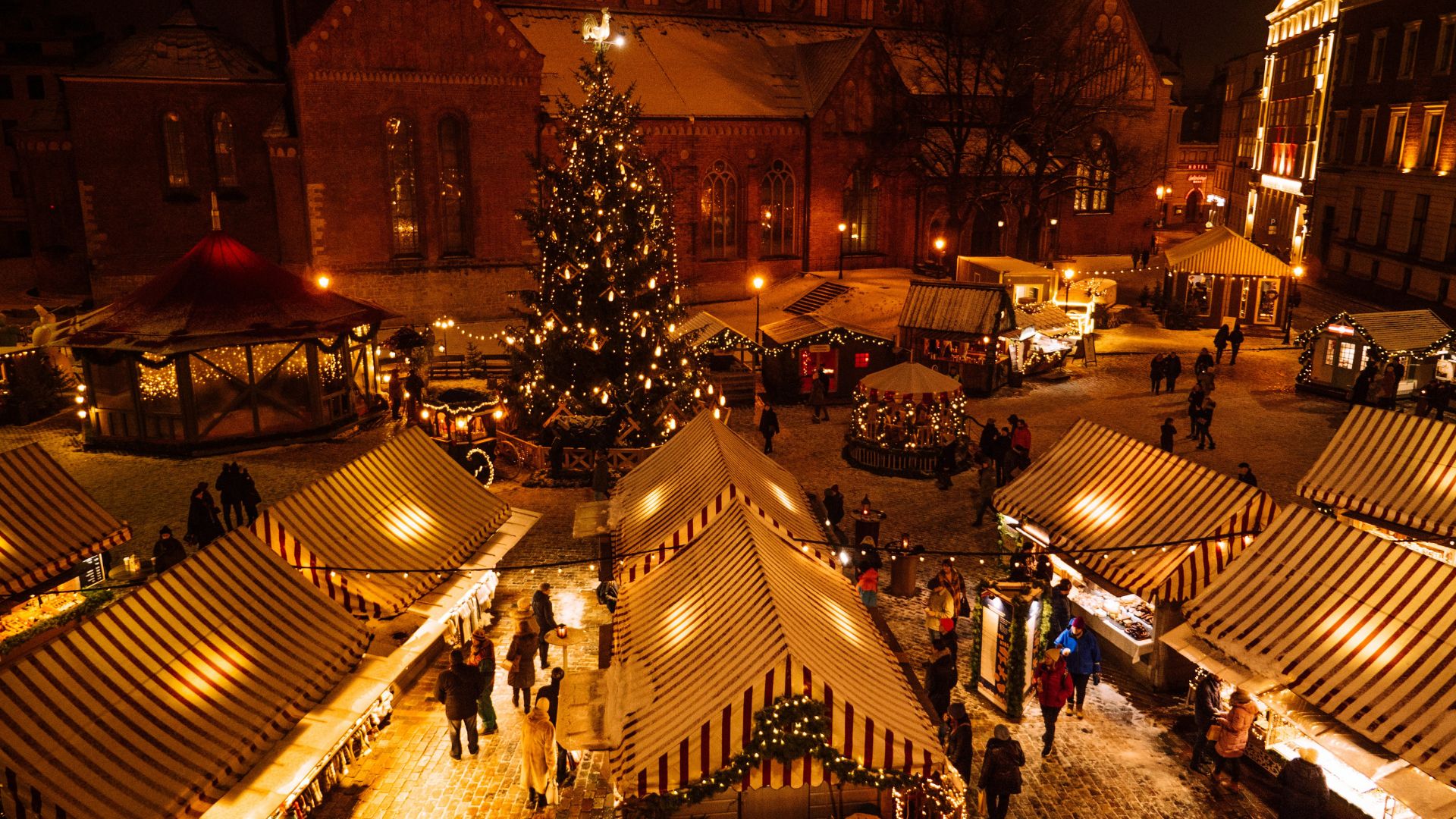
There is a moment every Christmas market traveller remembers. It's the first dusk in a medieval square, when the lanterns flicker on, the smell of roasted chestnuts and cinnamon drifts past, and a brass band somewhere starts playing carols. The cold stops mattering. You hold a warm mug with both hands, and you understand why people cross continents to do this.
Europe's Christmas markets are among the oldest living traditions on the continent. Here is where they came from, how to see them, and how to do it well, including on public transport.
A Short History: Where It All Began
Christmas markets grew out of the late medieval trade fairs of German-speaking Europe. Some of the earliest were winter markets where townspeople stocked up on meat, candles and warm clothing before the cold set in. Over the centuries, these practical fairs picked up gingerbread, carved toys, nativity figures and mulled wine, and the "Christmas" part took over.
A few milestones are worth knowing:
- Vienna is often credited with an early December market in the late 13th century.
- Munich's market traces back to the 14th century, and the Marienplatz market remains one of the most atmospheric in Bavaria.
- Dresden's Striezelmarkt is usually described as Germany's oldest Christmas market, dating to 1434. It is named after the Stollen-like Striezel pastry.
- Nuremberg's Christkindlesmarkt became famous for gingerbread (Lebkuchen), and its "Christkind" opens the market every year.
- Strasbourg has one of the oldest markets in France, from the late 16th century.
The Baltic and Nordic markets add their own chapter. Tallinn and Riga both claim to have put up some of Europe's first public Christmas trees in the 15th and 16th centuries. Whoever was first, the tradition is deeply rooted in the old Hanseatic trading towns around the Baltic.
The Vibe: Why These Trips Feel So Special
What makes a Christmas market trip different from an ordinary city break?
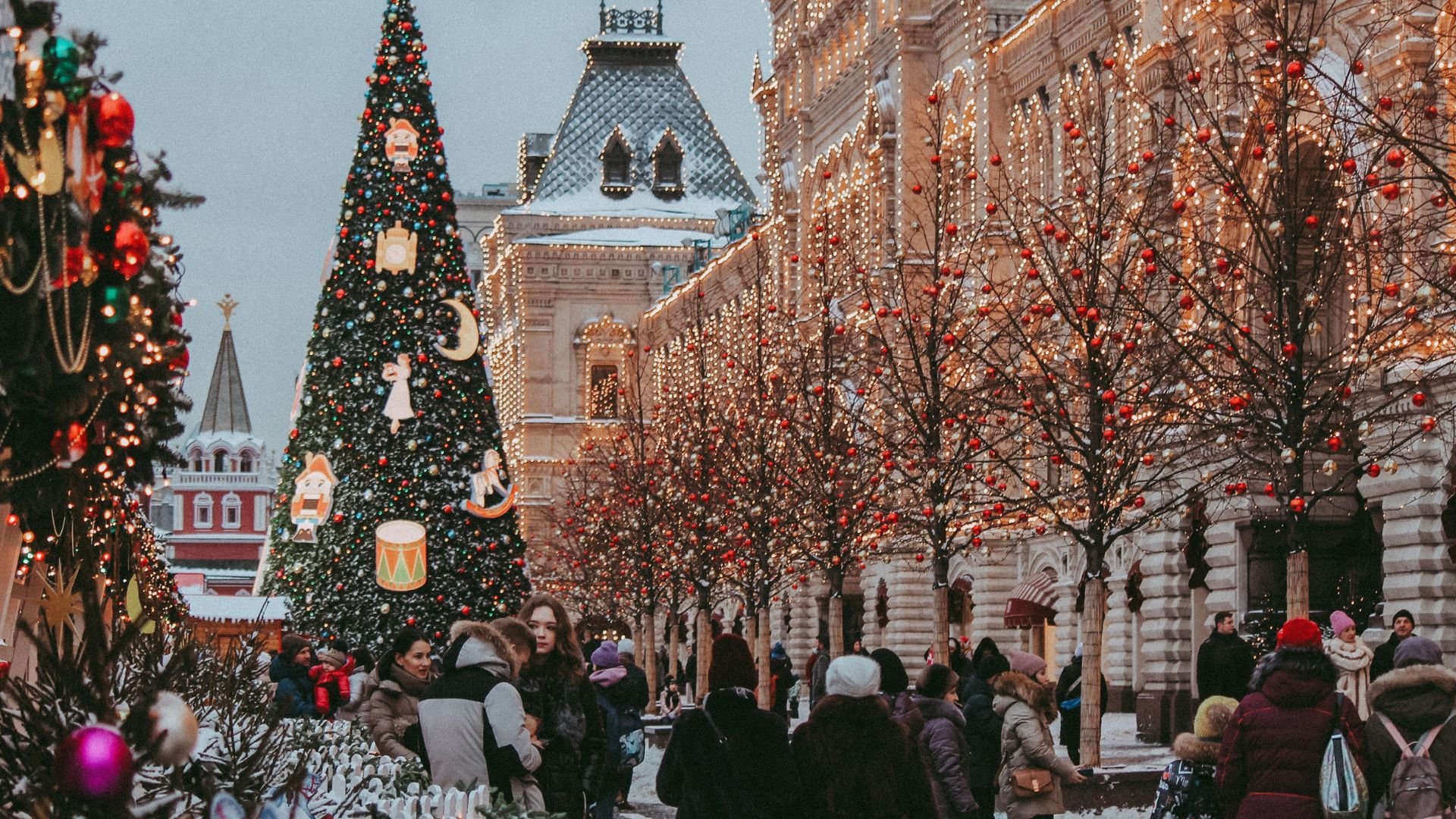
- The light. In northern Europe, the sun sets by mid-afternoon in December. Markets are built for the dark, so the best hours are 4 p.m. onward, when everything glows.
- The senses. Glühwein (mulled wine), roasted almonds, bratwurst, potato pancakes, Stollen, trdelník in Prague, and gingerbread in every shape imaginable.
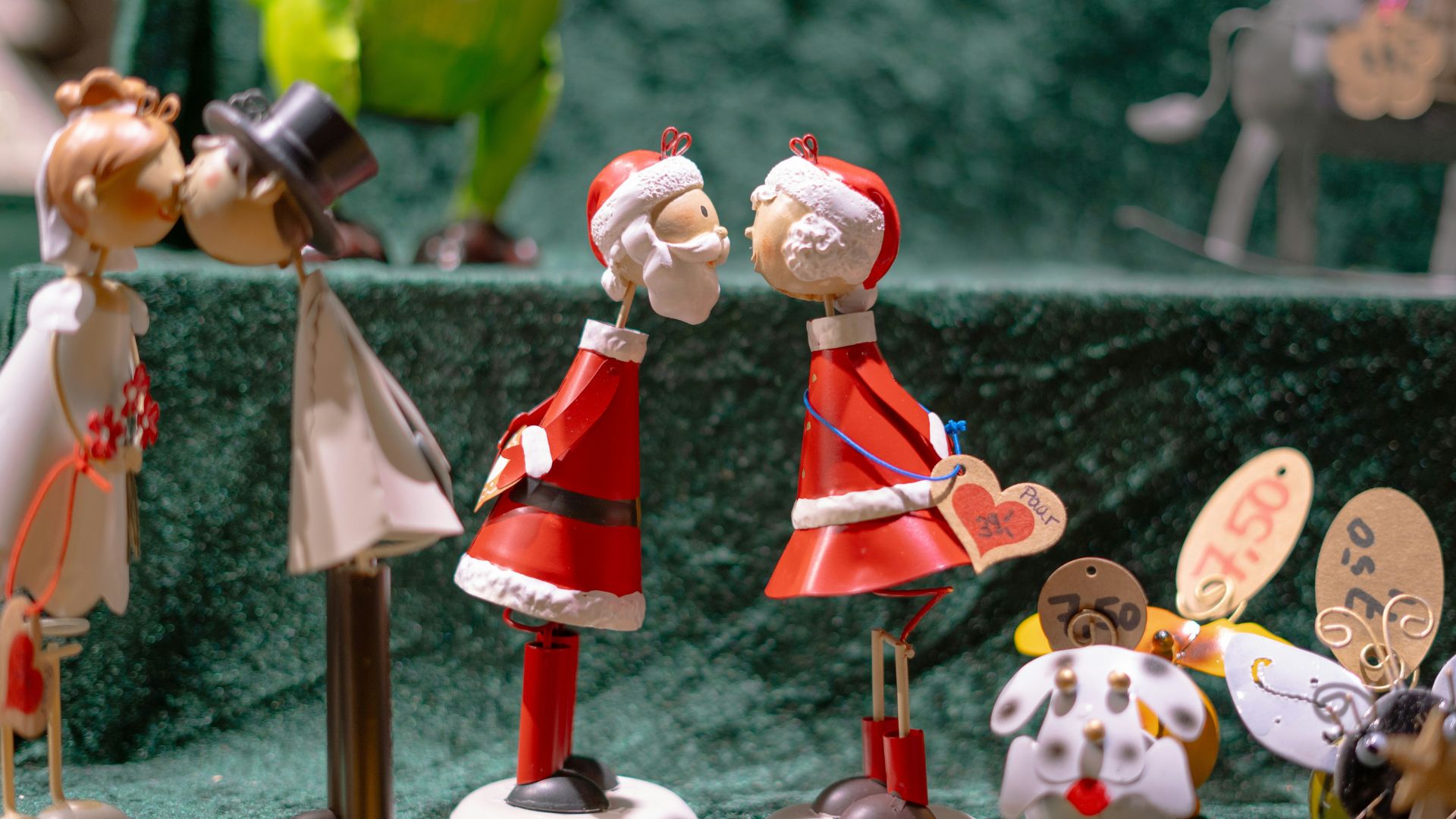
- The craft. Many stalls still sell handmade wooden ornaments, candles, glass baubles and knitted goods. The Erzgebirge region near Dresden is famous for its wooden figures and giant candle-lit pyramids.
- The folklore. In Alpine regions, you may meet Krampus, the horned, fur-clad companion of St. Nicholas, who appears in parades during early December. It is a 500-year-old Alpine custom, and it is thrilling to watch.
- The backdrop. Unlike a mall, a Christmas market is set in a real place: baroque squares, Gothic spires, riverside promenades, and castle hills dusted with snow.
Sample Routes: Two Rail-Based Itineraries
Two routes cover the classic heart of the Christmas market world, and both work well self-guided by train.
1. The Central European Classic (about 9 days)
This is the perfect introduction: four great cities, connected by train.
- Berlin: Start with the Brandenburg Gate, the Berlin Wall Memorial and the East Side Gallery by day. By night, visit the Gendarmenmarkt market, Charlottenburg Palace, Spandau Old Town, and the lights of Kurfürstendamm and Alexanderplatz.
- Dresden: A roughly two-hour train ride south. Spend two evenings at the historic Striezelmarkt, beneath the 14.62-metre Erzgebirge step pyramid, with the Zwinger, Frauenkirche and Procession of Princes mural by day.
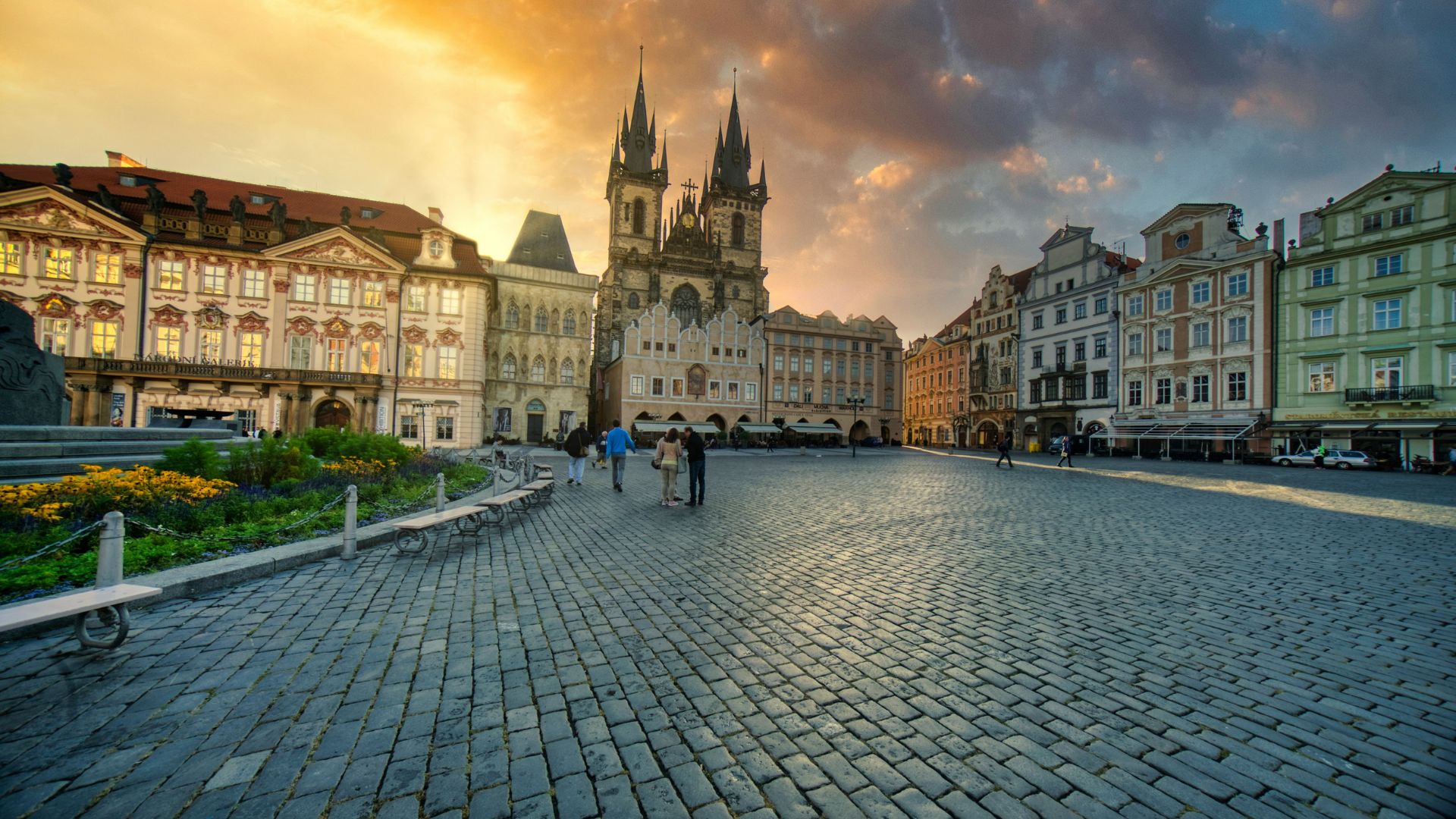
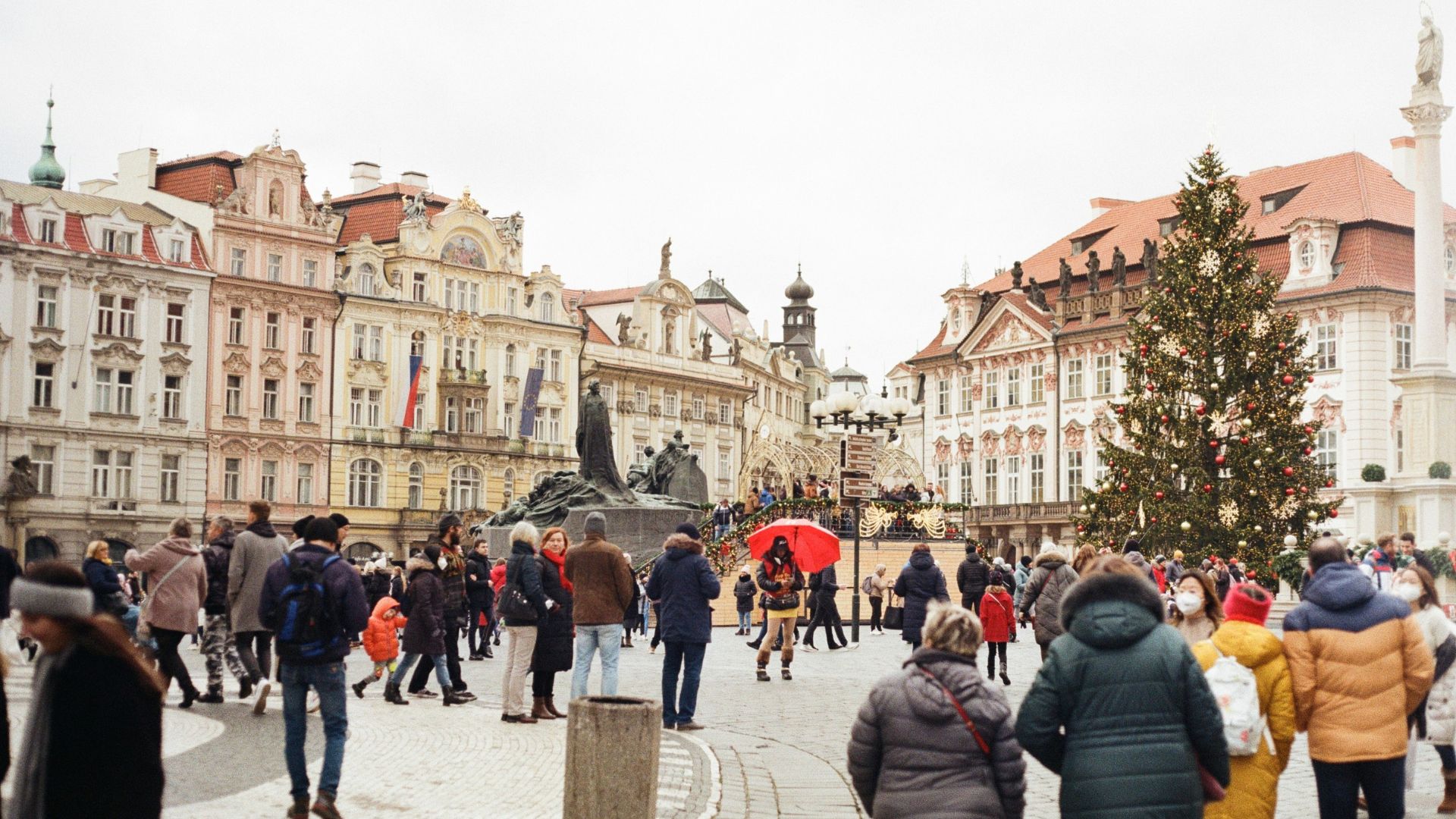
- Prague: Another two-hour rail journey. Old Town Square is the crown jewel, and you'll also visit Prague Castle, Charles Bridge, the Jewish Quarter, and the market at Peace Square.
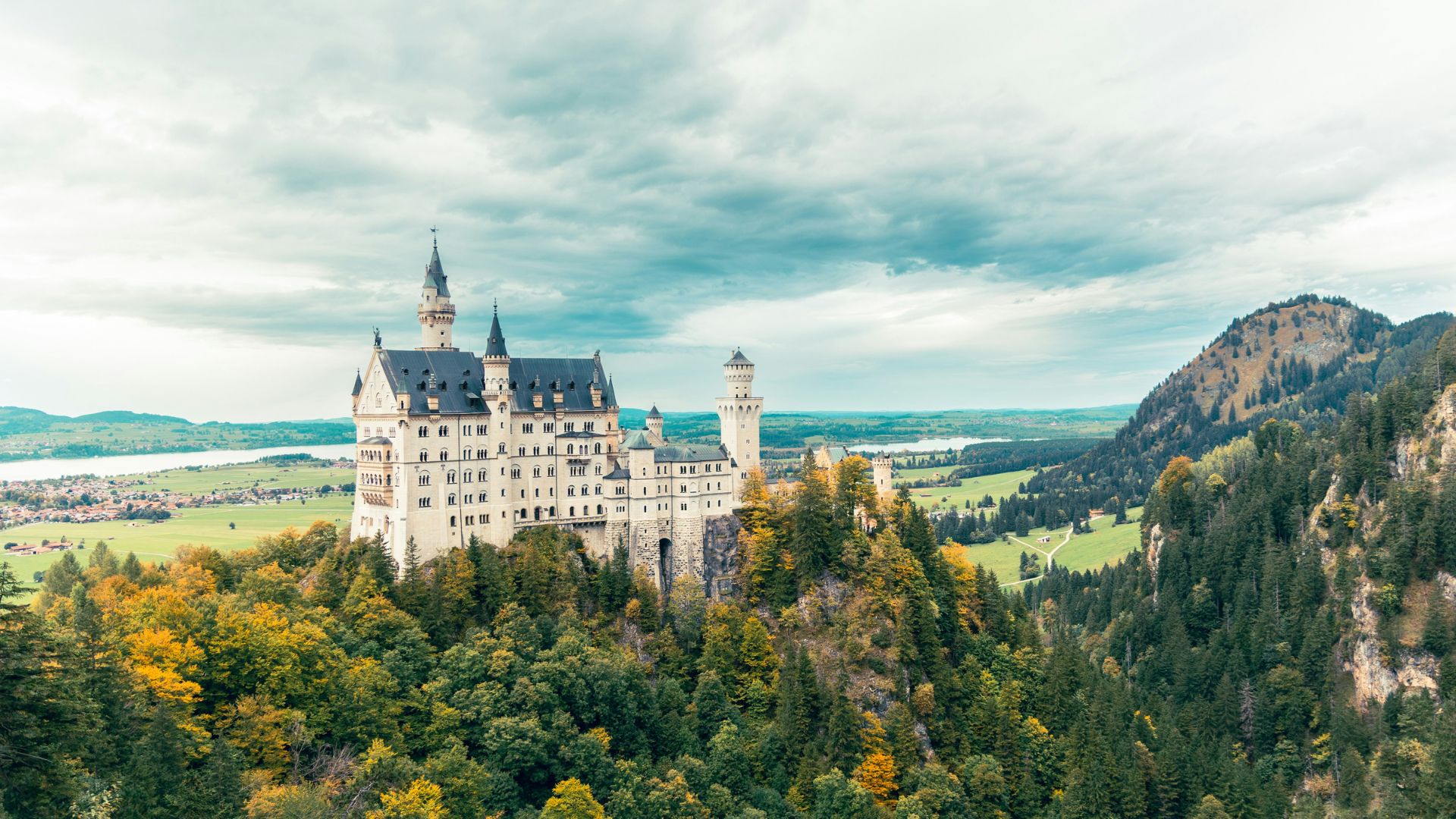
- Munich: A scenic five-hour train ride. The Marienplatz market is the festive finale, with an optional day excursion to King Ludwig's Neuschwanstein Castle.
Best for: first-timers who want a smooth, well-paced route.
The Alpine & Imperial Extension (about 11 days)
The same Berlin–Dresden–Prague–Munich backbone, plus two Alpine jewels, each an easy day trip from Munich:
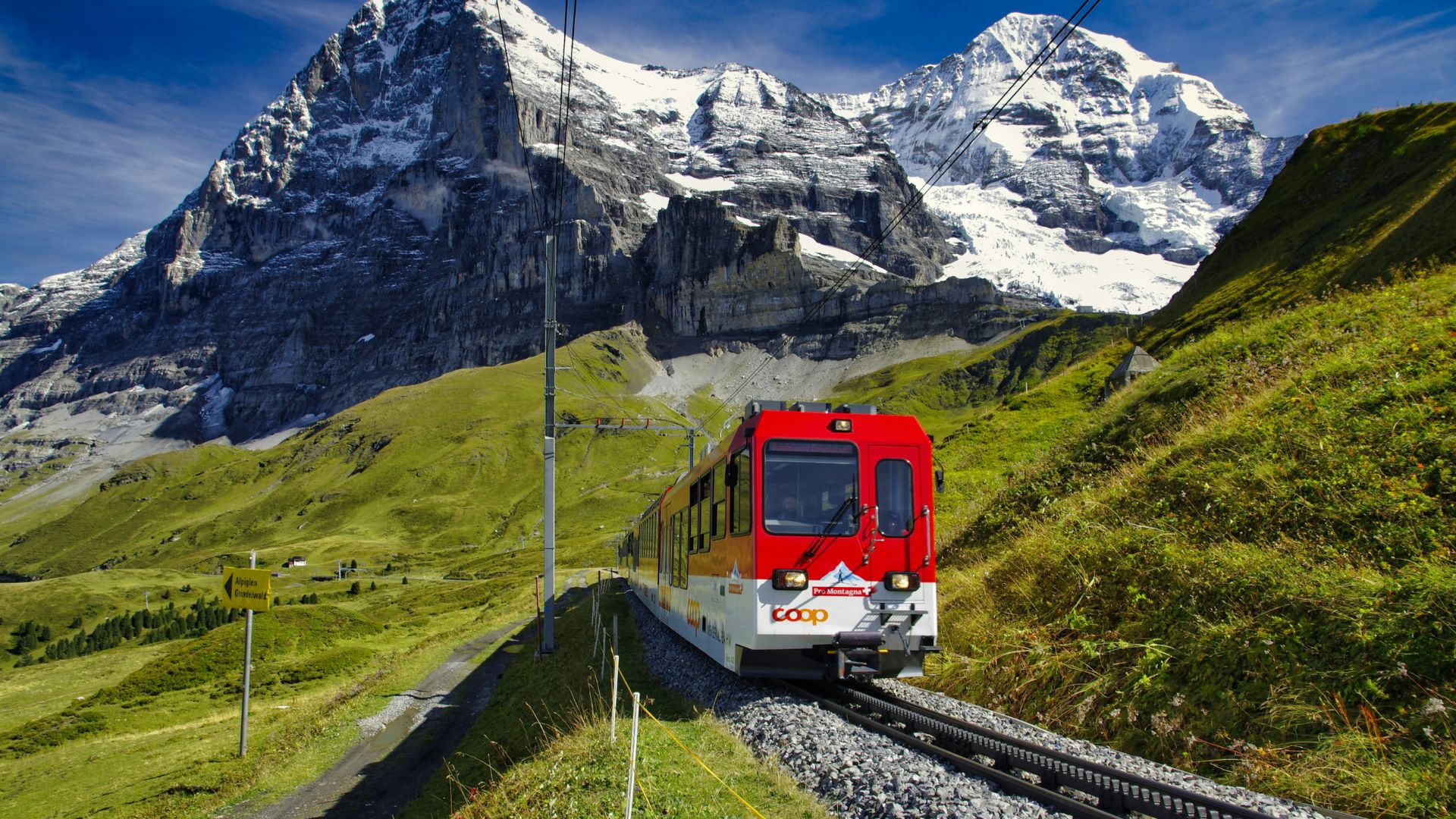
- Innsbruck: About 1 hour 45 minutes by train from Munich. See the Golden Roof, the Hofburg, and the Nordkette cable car for snow-capped Alpine views, then stroll the market in the old town.
- Salzburg: About 1 hour 30 minutes from Munich. Walk Getreidegasse, visit Mozart's birthplace and Mirabell Gardens, ride the funicular up to Hohensalzburg Fortress, and finish at the cathedral-square markets.
Best for: travellers who want castles, mountains and music alongside the markets.
Beyond the Classic Route: The Rest of Europe's Christmas Markets
Once you've tasted the Central European classics, the continent keeps unfolding.
Northern Europe: Cold, Cosy and Candle-Lit
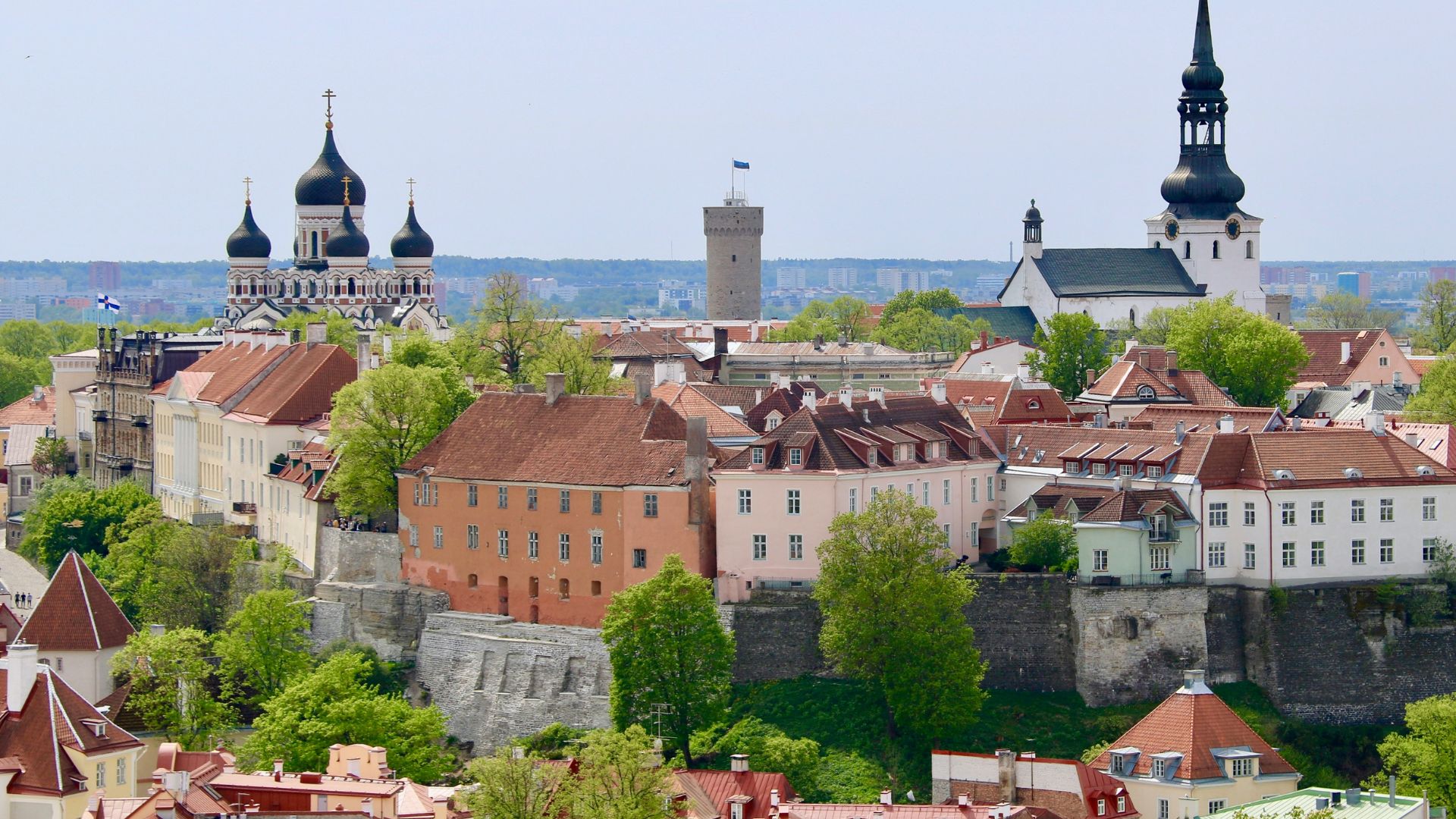
- Tallinn, Estonia: A fairytale medieval Old Town, with a market in Town Hall Square and one of the continent's most storied Christmas trees.
- Riga, Latvia: Art Nouveau streets, wooden huts, and a long Christmas-tree legend.
- Copenhagen, Denmark: Tivoli Gardens becomes a lantern-lit wonderland, and Nyhavn has its own harbour market. This is the home of hygge.
- Stockholm, Sweden: The Stortorget market in Gamla Stan is Sweden's oldest, with saffron buns, glögg and Lucia processions.
- Helsinki, Finland: The Tuomaan Markkinat (Tuomas Market) is a Finnish favourite, and you can go on to Lapland for the Santa myth.
- Hamburg, Lübeck and Bremen, Germany: Hanseatic cities in the north of Germany, where you can sip Glühwein by the water. Lübeck is famous for marzipan.
Western and Southern Europe
- Strasbourg and Colmar, France: Alsace's half-timbered houses and the "Capital of Christmas."
- Vienna, Austria: Elegant markets in front of the City Hall and Schönbrunn Palace.
- Budapest, Hungary: Vörösmarty Square, with chimney cake and thermal baths for warming up afterward.
- Basel and Montreux, Switzerland: For a more refined, lakeside or Rhine-side Christmas.
Travel Independently by Public Transport
You don't need a car, and in most of Europe you really don't want one. Rail is the best way to link Christmas market cities.
What to Do
- Book trains early. Long-distance seat reservations and cheaper advance fares go fast in December, especially for weekends.
- Use regional and city passes. Many cities offer day or multi-day transport passes covering metro, tram and bus. Compare these with single tickets.
- Consider a rail pass. If you're hopping across several countries, compare Interrail or Eurail passes against point-to-point tickets. Prices and rules change, so check the current ones.
- Choose a hotel near the station. It makes arrival, departure and late-night returns much easier.
- Visit on weekdays. Early evening, Monday to Thursday, is the sweet spot: the lights are on and the crowds are thinner.
- Carry some cash. Most stalls take cards now, but small vendors may not, and card readers can be slow in the cold.
- Dress in layers, with waterproof shoes, thermal socks and gloves. You'll be standing still outdoors for hours.
- Return your mug. Most markets charge a small deposit (Pfand in German) for your Glühwein mug. You get the money back when you return it, or you can keep the mug as a souvenir.
- Check the dates. Most markets run from late November until just before Christmas, though some continue to the end of December. Always confirm opening dates and hours, since they vary by year.
What Not to Do
- Don't squeeze in too many cities. Two nights per city is a good minimum. Rushing turns a trip into a transit exercise.
- Don't go only at peak time. Saturday at 7 p.m. on the main square is magical but crowded. Try mornings for browsing and quieter shopping.
- Don't leave valuables loose. Crowded squares attract pickpockets. Use a zipped bag and keep your phone out of back pockets.
- Don't eat only at the busiest stall. Walk a little. Side-street stalls are often cheaper and just as good.
- Don't drink too much Glühwein too quickly. It's stronger than it tastes, and it hits harder in the cold.
- Don't assume everything is open on Christmas Day. Many markets close on December 24th or 25th, and shops and transport may run reduced schedules. Plan ahead.
- Don't forget travel insurance and documents. Check visa requirements and Schengen rules well in advance.
- Don't assume your phone battery will last. Cold drains batteries fast. Bring a power bank.
Final Thoughts
A Christmas market journey is more than shopping. It's a way to walk through a living piece of European history: centuries of craft, trade and storytelling, lit up one lantern at a time. Whether you follow the Central European Classic, add the Alpine & Imperial Extension, or build your own journey from Tallinn to Strasbourg, the formula is the same. Come hungry, dress warmly, slow down, and let the evening do the rest.
If you'd rather not plan every train and hotel yourself, JetAlps has already planned a lovely trip for you. Choose the Ultimate Central European Christmas Market Tour (9 days, Berlin–Dresden–Prague–Munich) or the Alpine & Imperial Christmas Markets tour (11 days, adding Innsbruck and Salzburg). Connect with JetAlps for your winter wonderland tours, and let them handle the details while you enjoy the lights.