You’ve saved for months. You’ve pinned the little cafés, mapped the train routes, found the hotel with the blue shutters. Then you open the news, and the trip you were so excited about suddenly feels complicated.
If that’s you right now, you’re not overreacting, and you’re not alone. A lot of travelers are asking the same question: is Europe still worth it?
The honest answer
For most people, yes. But not on autopilot.
This is a moment for informed, flexible travel. The people who have a great trip are the ones who plan with a Plan B in their pocket. The ones who have a rough time are usually the ones who booked everything rigidly and hoped for the best.
So, let’s look at what’s actually happening, and then at how to travel well anyway.
What’s going on
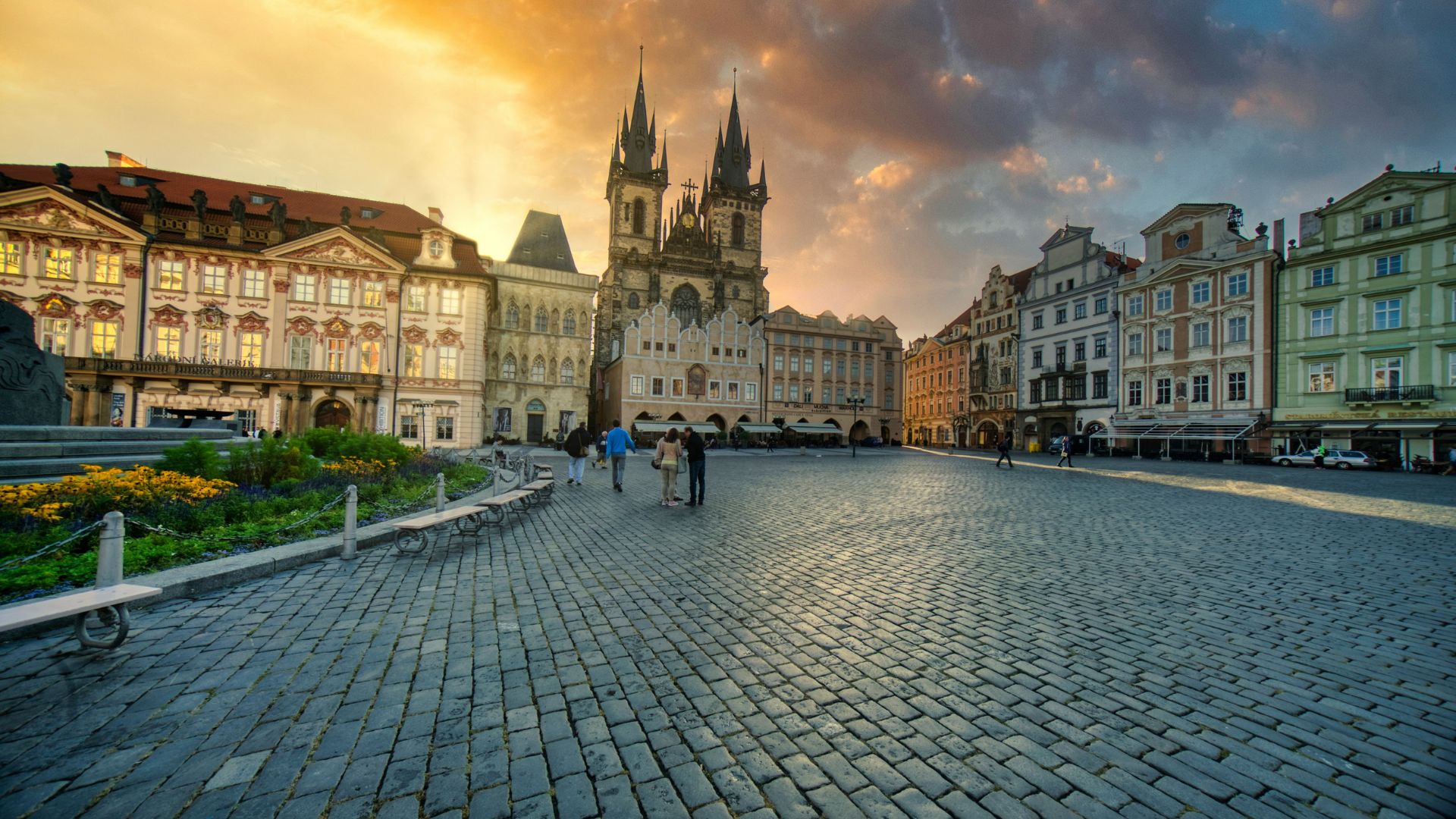
France is the headline. On October 17, hundreds of thousands of people took to the streets over the cost of living and school conditions, and some protests turned violent. Reuters reported one demonstrator dead, more than 2,000 arrests and over 600 injured officers, according to the interior minister. Skift reported the Louvre was closed, and a tourism office in Lyon was set on fire. More protests are planned for October 24 and November 5, and the government has talked about partial, targeted curfews.
Other countries have their own protests. Portugal, Italy and Belgium have seen demonstrations, and Spain has ongoing housing protests. These are different movements at very different scales, so “Europe” is not one single story.
Official advice hasn’t said “stay away.” As of October 19, the US State Department kept France at Level 2, “exercise increased caution,” rather than the higher “reconsider travel” level. The US Embassy said demonstrations and blockades can cause road delays, and that no strikes affecting air or rail were planned at that time. Your own government may say something different, so check it.
Flights still feel the Middle East conflict. Fuel costs and rerouting pushed fares up earlier this year. Analysts expect prices to ease gradually, but it may take a while.
What it means for you on the ground
For most visitors, the real issue is disruption, not danger. Picture this:
• A museum you booked closes at short notice
• Your metro line is delayed or packed
• A square you wanted to photograph is blocked off
• Your hotel is near a demonstration, and the street feels tense
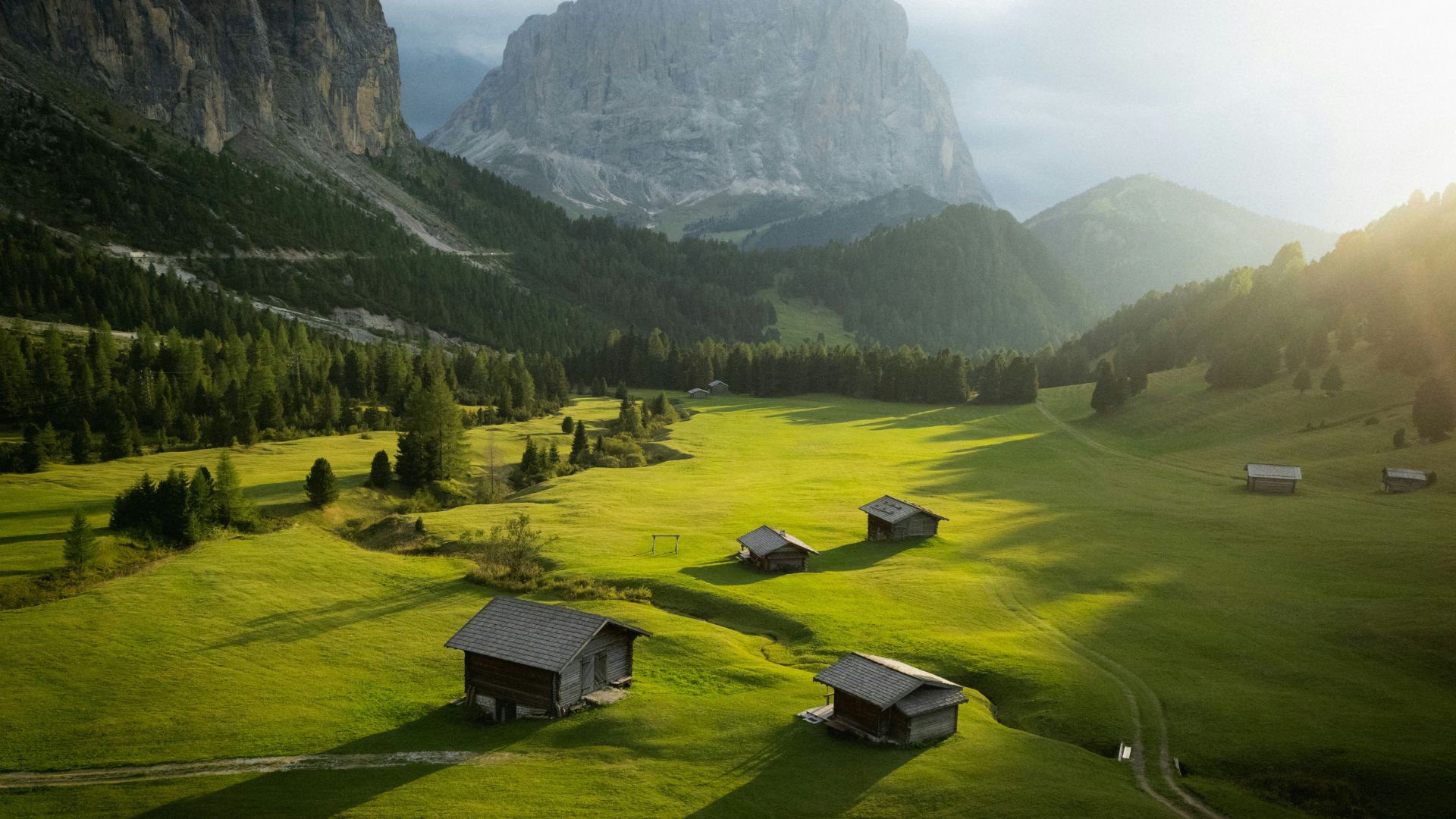
That’s frustrating, and it can wreck a tightly packed itinerary. But it’s very different from a whole continent being off limits. A protest in central Paris tells you very little about a quiet mountain village or a coastal town elsewhere. Still, always check the local situation for each place you’re going.
So, should you go?
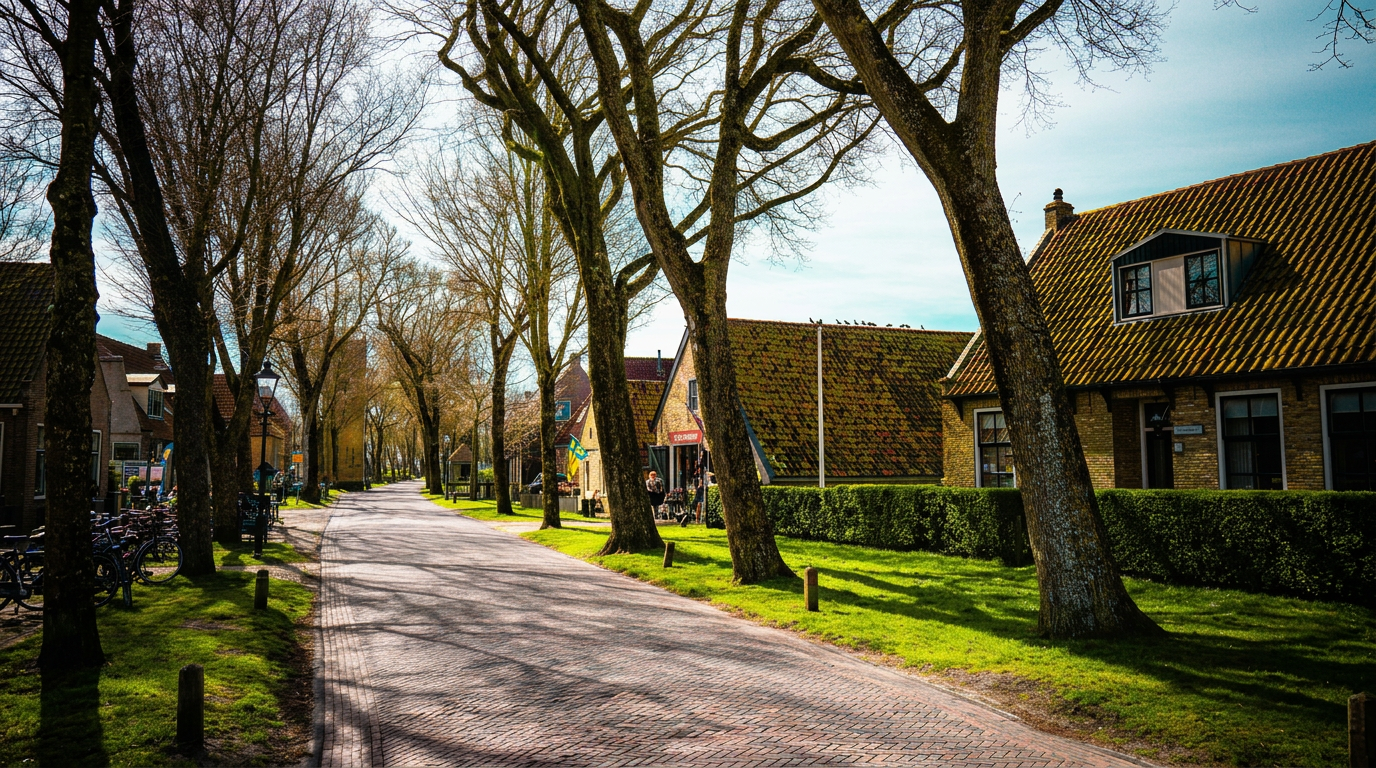
You can probably go ahead if you can shift dates, you’re happy to avoid demonstrations, and you’re comfortable adjusting day by day. Smaller towns and the countryside are generally less affected than big city centers.
You might want to wait or rework the plan if your itinerary is tight, you’re travelling with young kids or limited mobility, or you’re due in Paris around October 24 or November 5. Nobody gets a medal for pushing through a trip that will leave them stressed.
There’s no wrong answer. It comes down to how much uncertainty you’re comfortable with.
Why a curated travel partner makes the difference right now
Here’s the problem with moments like this: the information is out there, but it’s scattered, it changes daily, and it’s hard to know what applies to your trip. A booking website won’t sit down and talk it through with you. A person will.
That’s the idea behind JetAlps, a curated travel agency built around human expertise rather than algorithms. JetAlps promise is simple: replace the weight of uncertainty with confidence. Here’s what that looks like when the headlines get noisy.
• Clarity before the first step. JetAlps puts real effort into pre-planning guidance, addressing doubts early. If you’re unsure whether to go, where to go or when, that’s the conversation to have first.
• Real people, one-to-one. You talk to an experienced consultant, not a chatbot. Decisions get made with care for your situation, not by automated logic.
• A journey designed around you. No pre-packaged trips. Your pace, preferences and comfort shape the plan, including how much risk and flexibility you want.
• A clear itinerary and an honest quote. You see a transparent budget with no hidden surprises, so changing course doesn’t turn into a financial shock.
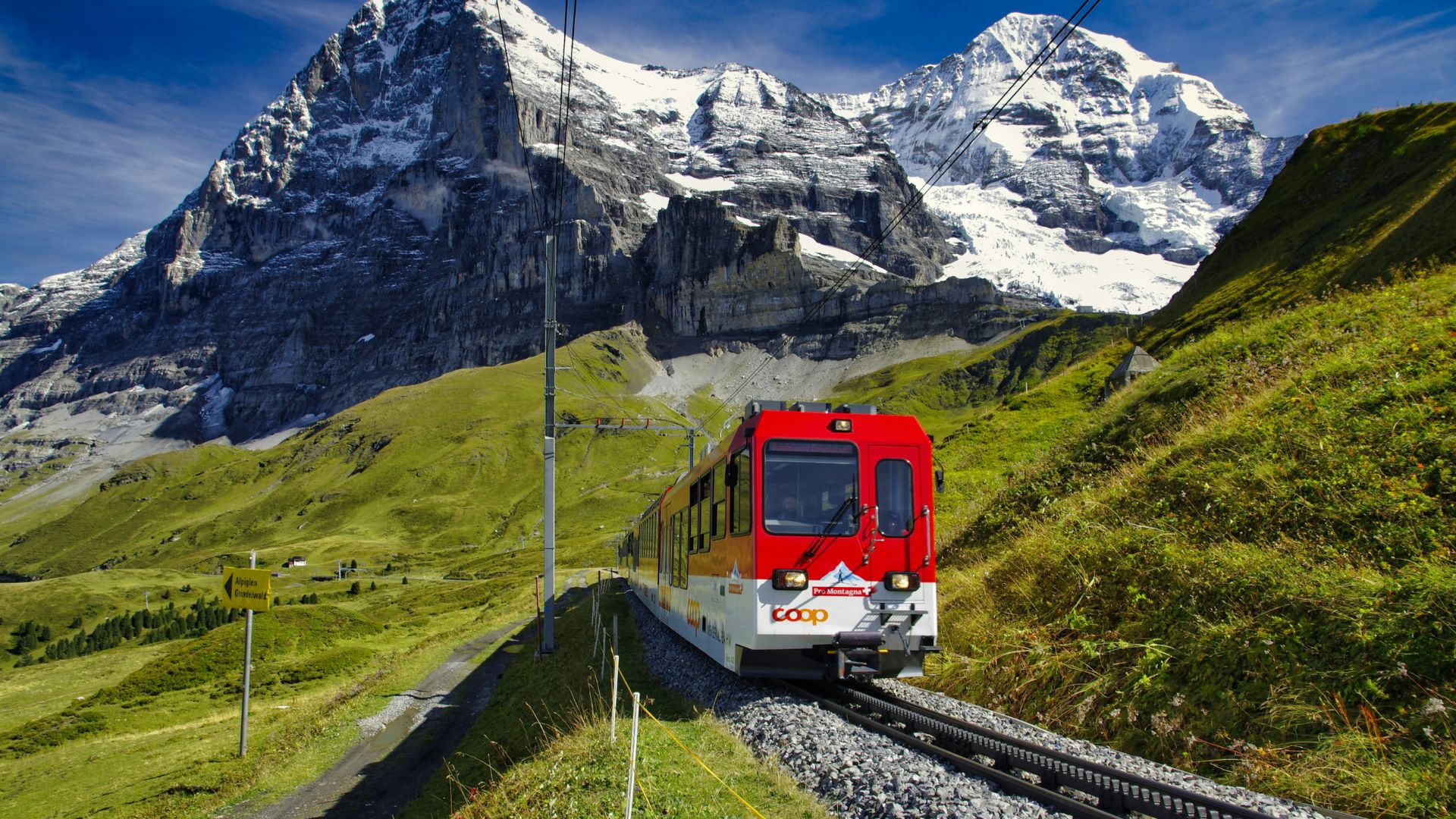
• Slow, rail-friendly, low-impact routes. JetAlps favours trains, electric vehicles and walkable itineraries over short-haul flights, and plans around seasonal rhythms. That means depth over checklists, and often a calmer way of seeing Europe than racing between big-city hotspots.
• Trusted partners. JetAlps works with reliable, high-quality partners, so the people on the ground are ones it already knows.
• Support while you travel. The team stays quietly present during your trip, with reassurance and real-time support if plans change.
Uncertainty doesn’t have to mean cancelling. Often it just means planning smarter, with someone in your corner.
How planning with JetAlps works
No pressure, no jargon. Here’s the journey from first question to final goodbye:
1. Begin the conversation. Speak to an expert, send an enquiry, or simply pick up the phone.
2. Free consultation. A JetAlps consultant takes time to understand what you want and what’s worrying you, with no obligation.
3. Your tailor-made journey and quote. You receive a personalised itinerary and a transparent quote that fits your budget.
4. Refine, confirm and reserve. The details get fine-tuned together until you’re happy. Then your trip is reserved and you’re prepared for departure.
5. Care while you travel. The team stays in the background, ready with reassurance and real-time support if something changes.
The planning consultation is complimentary, so starting the conversation costs you nothing.
What a flexible plan can look like
Say your dream trip is a week in France. In a consultation, you might shape something like this together:
• Plan A: A few days in Paris, then a train to the Loire Valley for châteaux and wine.
• Plan B: If protests flare up around your dates, you shorten or skip the city stay and spend longer in the countryside, or head to the Alps by train.
• The safety net: A clear budget, the right booking choices, and an expert you can reach if something changes mid-trip.
Same trip, same excitement, much less chance of it falling apart.

Your own safety net, whoever you book with
1. Check official advisories from your own government, and sign up for embassy alerts.
2. Read your travel insurance. See what it says about civil unrest, strikes and cancellations. Don’t assume.
3. Ask about flexibility before you pay, and compare refundable and non-refundable options.
4. Leave breathing room. Skip tight connections, and avoid flying on a major protest day.
5. Confirm attractions the day before. Closures can happen at short notice.
6. Stay away from demonstrations. Even peaceful ones can turn quickly. Follow police instructions.
The bottom line
Europe isn’t closed, and for most travellers it’s still a wonderful place to be. But this is a season for travelling with your eyes open: check the latest advice, protect your money, steer clear of protests, and keep a Plan B handy.
And you don’t have to figure it all out alone.